Lesbian Couples Line Art: A Modern Expression of Love and Creativity
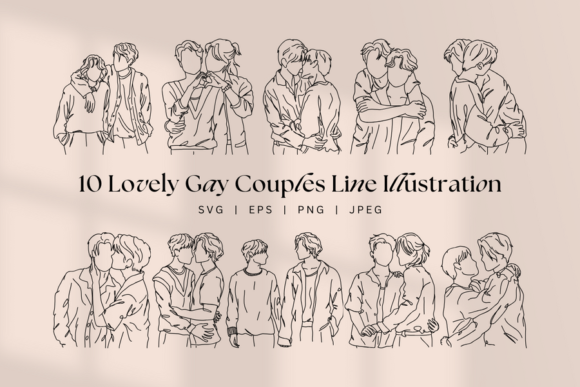
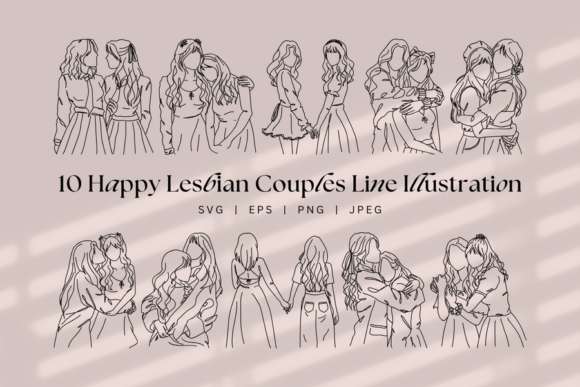
Lesbian couples line art has emerged as a meaningful and artistic way to celebrate same-sex relationships. This style of artwork uses clean, minimalistic lines to depict the emotional bond and connection between two women in love. Often included in collections such as The Happy Lesbian Couples series, these graphics are designed to be visually appealing while also resonating with those who appreciate inclusive representation in art.
What Is Lesbian Couples Line Art?
Lesbian couples line art is a form of illustration that captures romantic or affectionate moments between women using simple, elegant strokes. These designs typically avoid color and shading, focusing instead on the shapes and forms that convey intimacy and companionship. The result is a versatile and timeless visual language that can be adapted for various purposes without losing its emotional impact.
The Happy Lesbian Couples collection is one example of how this art form is being embraced by creators and consumers alike. It offers a curated set of images that reflect the joy, unity, and tenderness experienced in lesbian relationships. Each piece is crafted to evoke warmth and positivity, making it an ideal choice for projects seeking to promote inclusivity and diversity.
Why People Are Drawn to Lesbian Couples Line Art
Art has long been a medium for expressing identity and emotion, and lesbian couples line art serves this purpose effectively. For many, it's a way to see themselves represented in mainstream creative content. Whether they're looking for personal use or professional applications, individuals often seek out this type of art to add authenticity and meaning to their work.
Additionally, people involved in design, marketing, or social advocacy may find value in using these illustrations to support campaigns, merchandise, or branding efforts. The simplicity of line art allows it to blend seamlessly into different contexts, from digital platforms to print media, making it both accessible and adaptable.
Benefits of Using Lesbian Couples Line Art
- Universal Appeal: These artworks are easy to connect with due to their emotional resonance and clean presentation.
- High-Quality Formats: Available in SVG, EPS, PNG, and JPEG formats, they cater to both digital and print needs with resolutions up to 300 DPI and file sizes of 4000px X 4000px.
- Transparent Backgrounds: This feature makes them highly flexible for layering and integration into other designs.
- Wide Range of Applications: Ideal for t-shirt prints, wall art, stickers, logos, business cards, packaging, and more.
Considerations and Tradeoffs
While lesbian couples line art offers numerous advantages, it's important to consider your specific project requirements before choosing it. Because it relies on minimal detail and color, the effectiveness of the design may vary depending on the context. In some cases, more detailed or vibrant artwork might better suit your vision or audience’s expectations.
Another consideration is the message you want to convey. Line art tends to be subtle and understated, which can be perfect for certain themes but may not stand out in environments where bold visuals are needed. Additionally, if you're working with a diverse audience, ensure the tone and imagery align with your intended message and values.
When It Fits Best
Lesbian couples line art is particularly well-suited for modern and minimalist design projects. If you're aiming for a clean aesthetic that still carries emotional depth, these illustrations can serve as a powerful visual element. They work especially well in:
- Digital planners and calendars that prioritize clarity and elegance
- Scrapbook pages where soft, romantic touches are desired
- Poster and flyer designs that benefit from a sophisticated yet approachable look
- Branding initiatives focused on inclusivity and progressive values
These graphics also perform well in smaller formats, such as stickers or social media posts, where high detail isn't necessary. Their transparent backgrounds allow for easy customization and placement within any layout or design.
Alternatives Worth Considering
If you’re looking for something beyond line art, there are several alternatives available. Colored illustrations, watercolor effects, or photographic elements may offer a richer visual experience depending on your goals. Similarly, abstract representations or symbolic motifs could provide a different kind of emotional expression.
For commercial or mass-produced items like clothing or mugs, vector-based formats like SVG and EPS are preferred for scalability and print quality. However, if your project requires more dynamic visuals, exploring mixed-media options might yield better results.
Practical Insights for Choosing the Right Artwork
When evaluating whether lesbian couples line art is the right fit for your project, start by considering the overall theme and target audience. Ask yourself:
- Does the art need to be bold or subtle?
- Will it be used digitally or in print?
- Is the focus on inclusivity and emotional storytelling?
- Do I need multiple file formats for different applications?
By answering these questions, you can better determine whether line art will meet your needs. For instance, if you're designing a product aimed at LGBTQ+ communities, line art can be a respectful and engaging choice. Conversely, if your goal is to create eye-catching promotional material, you may want to explore more colorful or intricate styles.
Final Thoughts
Lesbian couples line art represents a thoughtful and contemporary approach to visual storytelling. With its ability to capture the essence of girls' love in a universally appealing format, it's no wonder why many creators and businesses are turning to this style. Whether you're crafting a personal keepsake or developing a brand campaign, these graphics offer a unique blend of artistry and practicality.
As you continue to research and select design elements, keep in mind the versatility and emotional depth of line art. When paired with the right message and context, it can become a powerful tool for connection, expression, and inclusion.