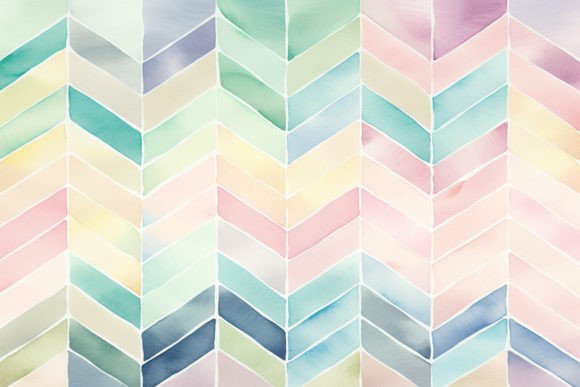
Watercolor Geometric Background: A Versatile Design Element for Creative Projects
Watercolor geometric background is a unique design element that blends the soft, organic feel of watercolor with the structured beauty of geometric shapes. This combination creates a visually appealing texture that adds depth and character to any project. Whether you're designing digital content or working on physical crafts, this style offers a fresh way to elevate your work without overwhelming it.
Real-World Applications Across Industries
The beauty of Watercolor Geometric Background lies in its adaptability. It can be used across various industries and creative fields, making it a go-to resource for many professionals and hobbyists alike.
- Web Design: When creating a website, especially for brands aiming for a modern yet artistic vibe, a Watercolor Geometric Background can serve as a subtle backdrop that complements other design elements. Its gentle hues and patterns help maintain a clean look while adding a touch of creativity.
- Print Media: From business cards to letterhead, the pattern adds a professional yet personal feel. It's particularly popular among creatives such as artists, designers, and educators who want their printed materials to reflect a sense of originality and warmth.
- Event Planning: Invitations and party decorations often use this style to create an inviting atmosphere. The softness of the watercolor tones combined with crisp geometric lines helps make event designs stand out without being too loud.
- Crafting & DIY: In scrapbooking, planner stickers, and collages, these backgrounds provide a base that allows other elements like photos, text, or illustrations to shine. They’re also great for fabric printing and home decor items like wall art or throw pillows.
Strengths of Using Watercolor Geometric Background
One of the biggest strengths of a Watercolor Geometric Pattern is its ability to blend into a variety of color schemes and styles. Because it’s not overly busy, it works well as a secondary design element, allowing more prominent features to take center stage. Additionally, the watercolor effect gives it a hand-painted quality that feels more personal than flat, vector-based designs.
Another benefit is scalability. At 1200 × 800 pixels and 300 dpi resolution, this digital paper format is suitable for both online and print applications. The high-resolution Jpg file ensures clarity whether you're zooming in on a digital canvas or printing it out for a poster.
How Different Users Can Benefit
While the Watercolor Geometric Pattern may seem like a niche product, its appeal spans multiple user groups. Here's how different people might find value in it:
- Graphic Designers: For those looking to add a soft, artistic layer to their projects without sacrificing professionalism, this pattern serves as a perfect middle ground. It's ideal for backgrounds in editorial layouts, marketing materials, or social media assets.
- Craft Enthusiasts: If you enjoy making handmade cards, scrapbook albums, or custom planners, this background provides a beautiful foundation that can be layered with other elements. It's easy to work with and enhances the overall aesthetic of your page layouts.
- Interior Decorators: When designing home decor items such as wallpaper, decorative panels, or even textiles, the Watercolor Geometric Pattern introduces a modern twist with a warm, approachable feel. It's especially effective in spaces where you want to balance minimalism with personality.
- Small Business Owners: Stationery needs like business cards, packaging, or branded merchandise can all benefit from the unique charm of this pattern. It helps establish a brand identity that feels both polished and artisanal.
Common Considerations Before Choosing a Watercolor Geometric Background
Before incorporating a Watercolor Geometric Background into your project, there are a few key things to keep in mind:
- Color Contrast: Ensure that the colors in the pattern don’t clash with the main content or text you plan to overlay. Soft pastels or muted tones usually work best for readability.
- Pattern Repetition: Since it's a single digital paper file, consider how the pattern will repeat if needed for larger surfaces. Some users may prefer seamless tiling, but others appreciate the natural breaks and imperfections of non-repeating designs.
- Printing Quality: Always test the pattern on the intended surface before committing to large-scale printing. The watercolor effect may look slightly different depending on the printer and paper type used.
- Design Intent: Think about the purpose of your project. Will the pattern support the message or distract from it? Use it strategically to highlight rather than overwhelm.
Practical Examples of Use
To better understand how a Watercolor Geometric Pattern can enhance your work, let's explore some practical examples:
- Wedding Invitations: A designer might use this pattern as the background for a rustic-themed wedding invitation. By placing elegant text over the soft geometric design, they create a cohesive and charming layout that stands apart from traditional templates.
- Planner Stickers: Many planners now feature decorative stickers to help organize daily schedules. A Watercolor Geometric Background could serve as the base for these stickers, offering visual continuity throughout the planner while keeping each section distinct.
- Instagram Posts: For a lifestyle blogger or small business owner, using this pattern in the background of Instagram posts can give their feed a consistent, curated look. It's especially useful when showcasing products or behind-the-scenes content.
- Children’s Room Decor: Parents might choose this pattern for wall decals or fabric prints in their child's bedroom. The playful geometry paired with watercolor softness makes it appealing for kids' spaces without feeling too juvenile.
Exploring Scenarios Where It Shines
A Watercolor Geometric Pattern isn't just a pretty image—it has specific moments where it truly shines. For instance, in a Canva template for a blog post, the pattern can be used subtly in the corner or behind a hero image to add interest without competing for attention. Similarly, in a handmade card, it can frame a central photo or message, drawing the eye toward the most important part of the design.
Another scenario is in branding for wellness or creative businesses. A yoga studio, for example, might use this pattern on their newsletter headers or promotional materials to evoke calm and creativity. The pattern supports the brand's tone while remaining versatile enough for different types of content.
Potential Limitations and How to Work Around Them
While the Watercolor Geometric Background is incredibly flexible, it does come with a few limitations that users should be aware of:
- Not Ideal for High-Contrast Designs: If your project requires bold text or high-contrast visuals, the pattern may need to be lightened or desaturated to avoid readability issues.
- Limited Customization: As a pre-made digital paper, you won’t have full control over individual elements within the pattern. However, this can be mitigated by using it as a background layer and adjusting opacity or blending modes in design software.
- May Require Layering: In some cases, you may need to combine the pattern with other textures or gradients to achieve the desired effect. Experimenting with layers in tools like Photoshop or Procreate can yield impressive results.
Why Choose This Over Other Patterns?
In a market flooded with design resources, what sets the Watercolor Geometric Background apart? It’s the harmony between two contrasting styles—watercolor’s fluidity and geometry’s precision. This duality makes it suitable for both minimalist and detailed projects, offering a balance that many other patterns struggle to achieve.
Additionally, the JPG format at 300 dpi means it’s ready to use right away, without requiring extra conversion or optimization. This saves time for creators who need to move quickly from concept to execution.
Putting It All Together
Whether you're a graphic designer, a crafting enthusiast, or someone looking to spruce up their next project, a Watercolor Geometric Pattern can bring a fresh perspective to your work. It's not just about aesthetics—it's about creating something that resonates emotionally and functionally with your audience.
By understanding the different ways this pattern can be applied and considering its strengths and limitations, you'll be able to use it effectively in everything from web graphics to stationery. And because it’s designed with real-world scenarios in mind, it’s a reliable choice for anyone wanting to add a little creativity to their visual toolkit.