Y2k Groovy Retro Checkered Shape Element: A Strategic Design Tool for Modern Creatives
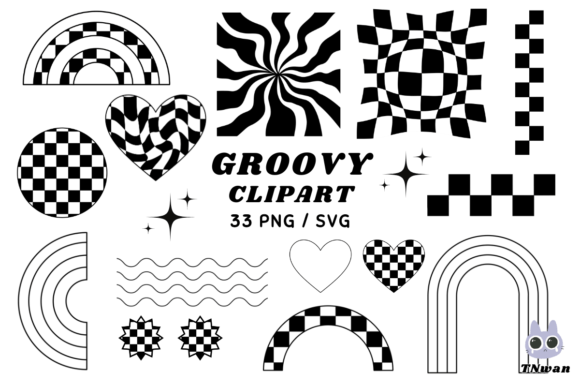
The Y2k Groovy Retro Checkered Shape Element is a digital design asset that evokes the nostalgic aesthetics of early 2000s pop culture. Characterized by its bold, playful checkered pattern and retro-inspired visual style, this element has become increasingly popular among designers seeking to infuse their projects with a sense of whimsy, authenticity, and cultural resonance. Whether you're working on posters, banners, stickers, business cards, or t-shirt designs, the thoughtful use of such elements can significantly enhance your creative output and strategic positioning in the market.
Why This Design Element Matters in Today’s Creative Landscape
In an era where digital content is abundant and attention spans are short, standing out visually is more important than ever. The Y2k Groovy Retro Checkered Shape Element offers a unique way to differentiate your brand or project by tapping into a well-recognized aesthetic. Its appeal lies not only in nostalgia but also in its versatility—this element can be seamlessly integrated into various formats and styles without losing its charm or functionality.
For entrepreneurs, marketers, and small business owners, using recognizable retro motifs like the checkered pattern can help create emotional connections with audiences who grew up during the Y2k era. These individuals often respond positively to familiar visuals, which can translate into stronger engagement and loyalty. In branding and marketing, familiarity breeds trust—and trust is the foundation of long-term customer relationships.
Strategic Use Across Different Platforms and Mediums
When used intentionally, the Y2k Groovy Retro Checkered Shape Element can support multiple strategic goals:
- Branding Consistency: Incorporate the element into logos, packaging, or promotional materials to build a cohesive brand identity rooted in a specific time period or vibe.
- Visual Storytelling: Leverage the pattern to evoke a sense of fun, rebellion, or innovation—key themes associated with the Y2k movement.
- Marketing Campaigns: Use it as part of themed promotions, especially around events or products that align with retro or tech-nostalgia trends.
- Product Packaging: Add a touch of vintage flair to physical or digital product designs, helping them stand out in crowded markets.
- Merchandise Design: Apply the pattern creatively to t-shirts, mugs, or stickers to attract fans of retro aesthetics.
These applications aren’t just about looking good—they’re about making better strategic decisions in how you communicate your brand’s personality and values. The right visual cues can subtly guide audience perception, making your message more memorable and impactful.
Use Cases Where It Shines
Here are some realistic scenarios where the Y2k Groovy Retro Checkered Shape Element adds value:
- Event Branding: When promoting a music festival, convention, or pop-up shop with a Y2k theme, using this pattern can immediately signal the event's tone and attract the right demographic.
- Apparel Design: T-shirts and accessories featuring retro checkered patterns have strong market appeal, especially when paired with modern typography or minimalistic layouts.
- Business Cards and Stationery: For freelancers or small businesses in creative industries, these elements can add character and make contact information more eye-catching.
- Print and Digital Banners: High-resolution files (like those included in the zipped package with 33 SVG and PNG files at 3500×3500 px and 300 dpi) ensure clarity and scalability, making them ideal for both print and web-based banner ads.
- Sticker Sets and Social Media Graphics: The checkered shape can serve as a background or accent in social media templates, enhancing visual consistency across platforms.
Planning Thoughtfully with the Right Assets
To get the most out of the Y2k Groovy Retro Checkered Shape Element, start by defining the purpose of your design. Are you aiming to reinforce a brand image? Create a limited-edition product line? Or simply engage younger audiences through nostalgia?
Once you've established your goal, consider the following planning tips:
- Match the Pattern to Your Palette: Ensure the colors in the checkered element complement your overall design scheme. Mismatched hues can dilute your message.
- Balance Is Key: While retro elements can be striking, overusing them may overwhelm the viewer. Use the pattern sparingly to maintain elegance and readability.
- Consider Cultural Context: Be mindful of the connotations associated with the Y2k aesthetic. It works best for brands targeting a millennial or Gen Z audience, particularly in fashion, entertainment, or lifestyle niches.
- Optimize for Multiple Formats: Since the zipped file includes high-quality SVG and PNG assets, plan ahead for how each format will be used—SVG for scalable digital graphics, PNG for print-ready designs.
By approaching the use of this design element with intention, you avoid falling into the trap of generic retro design and instead craft something that resonates authentically with your target audience.
How to Approach Integration with Purpose
Integration of the Y2k Groovy Retro Checkered Shape Element should be guided by clear objectives. Here’s a step-by-step approach to using it effectively:
- Define the Goal: What do you want to achieve with your design? Increased engagement, brand recall, or visual differentiation?
- Select the Appropriate Files: Choose from the 33 files included in the zipped package based on the platform and size requirements. SVG files are perfect for digital use due to their scalability, while PNGs offer crisp detail for print.
- Test Variations: Try different placements and color combinations before finalizing. How does the pattern interact with other design elements? Does it draw attention where you want it to?
- Gather Feedback: Share mockups with trusted colleagues or target users to see if the pattern enhances the design or distracts from it.
- Document Usage: Keep track of where and how you’ve used the element so you can refine its application in future projects.
This structured process ensures that the Y2k Groovy Retro Checkered Shape Element isn't just another decorative flourish—it becomes a calculated component of your creative strategy.
Risks of Using Without Clear Direction
While the Y2k Groovy Retro Checkered Shape Element can elevate your designs, using it without context can lead to several pitfalls:
- Misalignment with Brand Identity: If your brand doesn't naturally fit within a retro or nostalgic framework, the pattern might confuse or alienate your audience.
- Overdesign: Adding too many retro elements can make your work look cluttered and unprofessional. Simplicity is crucial for effective communication.
- Cultural Missteps: The Y2k aesthetic is tied to specific cultural references. Misusing or misrepresenting these can come off as inauthentic or even disrespectful.
- Limited Longevity: Trends fade. Relying too heavily on a single design motif could reduce the shelf life of your content or product.
These risks underscore the importance of aligning your design choices with broader strategic goals rather than chasing fleeting trends.
Enhancing Communication and Positioning
Design isn’t just about aesthetics; it’s a form of communication. The Y2k Groovy Retro Checkered Shape Element can help you position your brand in a way that feels both current and timeless. For instance, a boutique clothing store might use the pattern on a poster to signal its focus on vintage-inspired fashion, while a tech startup could adopt it to convey a playful yet innovative spirit.
When communicating with customers or stakeholders, visual elements like this one can act as shorthand. They help establish mood, tone, and expectations quickly and efficiently. A retro checkered background on a website banner might tell users, “This is fun,” or “We respect our roots,” depending on how it's framed and what it's used for.
Operational and Creative Workflow Considerations
From a practical standpoint, having access to high-resolution files (300 dpi, 3500×3500 px) means you can use the Y2k Groovy Retro Checkered Shape Element confidently across various mediums without worrying about quality degradation. This is particularly useful for creators who need to produce both digital and physical content.
Freelancers and educators benefit from having a ready-to-use resource like the zipped file with 33 diverse files. It streamlines the creative process, reduces production time, and allows for experimentation without the overhead of sourcing individual assets. However, it’s essential to maintain originality by combining these elements with custom typography, photography, or illustrations tailored to your client’s needs.
Long-Term Value and Decision-Making Guidance
Designers and decision-makers must evaluate whether the Y2k Groovy Retro Checkered Shape Element supports their long-term vision. Ask yourself:
- Does this pattern align with my brand’s personality and values?
- Will it remain relevant beyond the current trend cycle?
- Can I adapt it to new projects or campaigns without compromising its impact?
If the answer to any of these questions is uncertain, consider using the element in a limited capacity until its effectiveness is proven. Treat it as a tool rather than a crutch. Over time, as your brand evolves, you can decide whether to continue using it or transition to newer visual languages.
Real-World Examples of Intentional Application
Let’s explore how real professionals have leveraged similar retro design elements strategically:
- A coffee shop owner used a checkered pattern in her logo and signage to reflect the playful, youthful energy of her location, attracting a local college crowd and increasing foot traffic by 20% in six months.
- An independent musician incorporated the pattern into his album art and tour posters, creating a unified visual language that helped him gain recognition in niche music communities.
- A startup focused on sustainable tech adopted the retro aesthetic as part of its branding to highlight innovation through a lens of simplicity and usability, resonating with environmentally conscious consumers.
Each example shows how the same visual motif can serve different purposes when applied with intent. The key is to understand your audience and how they interpret such symbols.
Beyond the Trend: Making Informed Choices
As you integrate the Y2k Groovy Retro Checkered Shape Element into your work, keep the following considerations in mind:
- Know Your Audience: Research whether your target demographic associates the pattern with positive emotions or outdated concepts.
- Stay Authentic: Don’t force the pattern into every design. Let it emerge naturally from your brand story and mission.
- Combine with Other Elements: Use the checkered pattern alongside complementary fonts, textures, or colors to build a more dynamic and balanced design.
- Plan for Scalability: Make sure the pattern looks good at all sizes—from a tiny icon to a large billboard.
- Evaluate Performance: After deployment, monitor how the pattern affects user interaction, conversion rates, or brand sentiment. Adjust accordingly.
Ultimately, the value of the Y2k Groovy Retro Checkered Shape Element lies not in its novelty, but in how it serves your strategic objectives. When used correctly, it can enhance creativity, streamline operations, and improve communication—all while keeping your brand fresh and engaging.
Final Thoughts on Practical Implementation
Whether you're designing for a personal blog, a corporate campaign, or a creative project, the Y2k Groovy Retro Checkered Shape Element can be a powerful ally—if used with purpose. By understanding its strengths and limitations, you can make informed choices that align with your goals and deliver meaningful results.
Remember, the best design strategies are those that balance creativity with clarity. Use the pattern thoughtfully, test its impact, and let it evolve alongside your brand. With the right approach, this retro element can become a cornerstone of your visual storytelling toolkit, helping you connect with audiences in a way that feels both authentic and forward-thinking.